
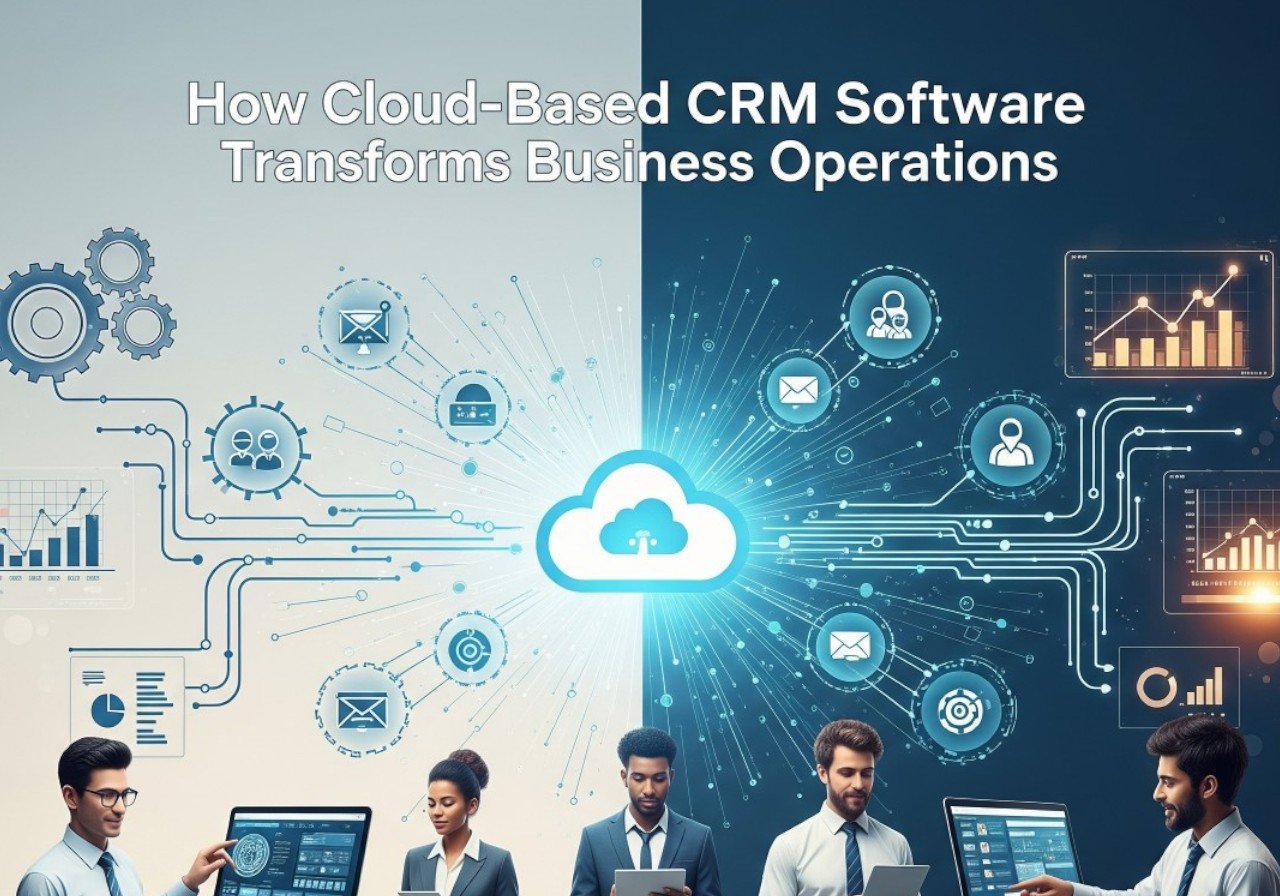
Introduction
The business world is changing faster than ever. Customers expect quick service, employees need better tools, and companies must make smart decisions in real-time. To keep up, businesses are turning to ERP software. But ERP today is not the same as it was five years ago — it has evolved into something more powerful, intelligent, and accessible.
In this blog, we’ll explore how ERP software is shaping the future of business in 2025 and beyond.
What Makes ERP Different in 2025?
Traditional ERP systems were mostly about managing finance and inventory. But modern ERP solutions go beyond that. They combine artificial intelligence, cloud technology, and automation to give businesses a competitive edge.
Key Trends in ERP Software
1. Cloud ERP is Dominating
Companies no longer want to be tied to heavy on-premise systems. Cloud ERP gives flexibility, remote access, and scalability — making it ideal for businesses of all sizes.
2. AI and Machine Learning Integration
Modern ERP systems use AI to predict sales, optimize supply chains, and even suggest improvements in business strategy.
3. Mobile Accessibility
From managers to employees, everyone can now access ERP data through mobile apps — anytime, anywhere.
4. Data Security and Compliance
As cyber threats grow, ERP systems are focusing more on encryption, backups, and compliance with data protection laws.
5. Industry-Specific ERP Solutions
Instead of a “one-size-fits-all” approach, many vendors now offer ERP tailored for manufacturing, healthcare, retail, and even startups.
Benefits of Adopting Modern ERP
- Smarter decision-making with AI-powered analytics
- Increased efficiency with automation of repetitive tasks
- Improved customer service through better data insights
- Cost savings by reducing errors and manual work
- Future readiness with scalable, cloud-based systems
Why Businesses Should Upgrade to ERP Now
Many organizations still rely on outdated tools or spreadsheets. This slows growth and increases risk. Modern ERP ensures:
- Real-time collaboration between departments
- Access to data from anywhere
- Faster adaptation to market changes
- Competitive advantage in a digital-first economy
Conclusion
ERP software is no longer just about managing accounts or HR — it’s about preparing your business for the future. With trends like AI, cloud, and mobile accessibility, ERP is becoming the backbone of modern enterprises.
If you want your company to stay competitive in 2025 and beyond, adopting the latest ERP technology is not just an option — it’s a necessity.