
Introduction
In today’s competitive business environment, acquiring new customers is important, but retaining existing ones is even more critical. Studies show that retaining a customer costs significantly less than acquiring a new one, and loyal customers often bring higher lifetime value. Customer Relationship Management (CRM) software has become a vital tool for businesses to strengthen customer retention and build loyalty.
CRM systems help businesses understand customer behavior, track interactions, and provide personalized experiences. By leveraging this data, companies can anticipate needs, resolve issues promptly, and create lasting relationships that lead to repeat business.
Section 1: What is CRM Software?
CRM software is a digital platform that centralizes all customer interactions, providing a 360-degree view of each client. It captures essential information such as purchase history, communication patterns, and preferences.
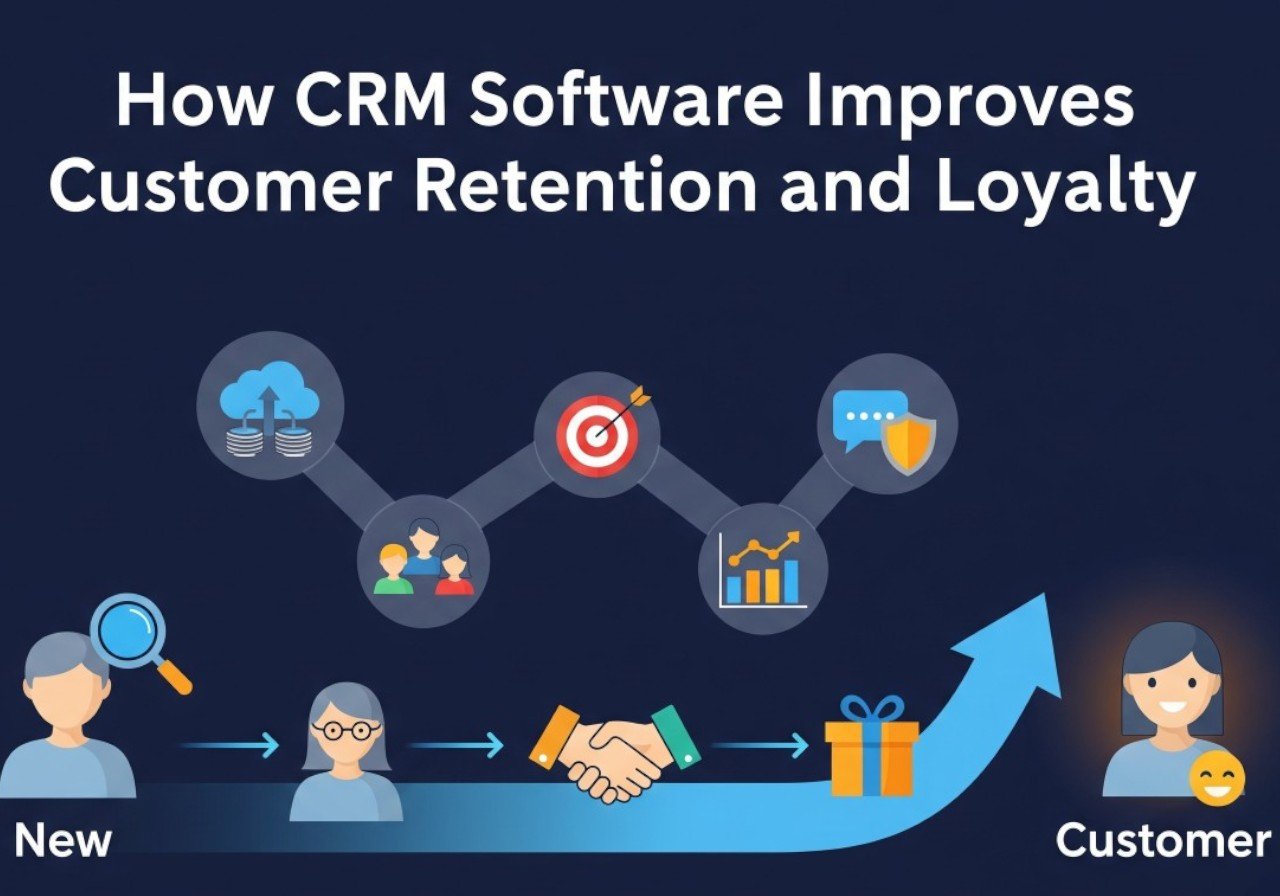
Beyond just data storage, modern CRM systems offer automation, analytics, and predictive features. These tools allow businesses to monitor customer satisfaction, identify at-risk clients, and implement strategies to retain them. By using CRM, companies can ensure that every customer feels valued, leading to stronger loyalty and long-term growth.
Section 2: Key Features of CRM for Customer Retention
- Customer Data Management: Keep detailed records of customer interactions, preferences, and feedback for personalized engagement.
- Automated Follow-Ups: Send reminders, thank-you emails, or check-ins automatically to maintain consistent communication.
- Customer Feedback Tracking: Collect and analyze feedback to improve services and address issues proactively.
- Loyalty Program Integration: Track loyalty rewards, points, and special offers for repeat customers.
- Predictive Analytics: Identify customers who might be at risk of leaving and take preventive action.
- Support Ticket Management: Resolve customer issues efficiently and maintain a history of interactions for future reference.
Section 3: How CRM Enhances Customer Retention
CRM software provides multiple ways to improve retention and loyalty:
- Personalized Experiences: By understanding individual preferences, businesses can offer tailored recommendations and promotions.
- Proactive Communication: Automated reminders and follow-ups ensure that customers feel valued and remembered.
- Faster Issue Resolution: CRM tracks support tickets and past interactions, allowing for quicker, more effective problem-solving.
- Consistent Engagement: Businesses can maintain regular communication through multiple channels, keeping customers engaged.
- Reward and Loyalty Management: Track and manage loyalty programs, ensuring that repeat customers are recognized and appreciated.
For example, an online retailer can use CRM to identify customers who haven’t made a purchase in months and send personalized offers to re-engage them. A service company can proactively follow up with clients to ensure satisfaction after completing a project, fostering trust and loyalty.
Section 4: Tips for Using CRM to Boost Retention
- Segment Customers: Group customers based on behavior, purchase history, or engagement levels to provide relevant interactions.
- Automate Without Losing Personal Touch: Use automation to maintain contact but personalize messages to enhance engagement.
- Track Metrics: Monitor customer satisfaction, repeat purchases, and churn rates to evaluate retention strategies.
- Provide Value Consistently: Send useful content, offers, and updates that resonate with customer needs.
- Train Your Team: Ensure employees understand how to use CRM tools to enhance the customer experience effectively.
Conclusion
CRM software is a powerful ally in building strong, long-term customer relationships. By centralizing data, automating communication, and providing actionable insights, it helps businesses retain customers, increase loyalty, and drive sustainable growth.
Companies that effectively implement CRM can not only improve customer satisfaction but also boost lifetime value, reduce churn, and strengthen their competitive advantage. In a market where customer loyalty is key to success, CRM is no longer optional—it is essential for long-term business growth.